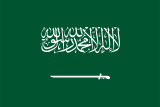
Saudi Arabic encompasses two major regional varieties — Najdi (Central Arabia) and Hejazi (Western coast). It is the dialect of the Arabian Peninsula's heartland, shaped by ancient Bedouin tribal traditions and centuries of trade along the Incense Route.
History & Origins
Pre-Islamic Arabia (before 622 CE)
The Arabic spoken in the Najd region descends directly from the ancient tribal dialects of the Qays and Tamim tribes — considered the purest form of spoken Arabic by classical scholars. The Hejaz coast developed a more cosmopolitan variety due to pilgrimage traffic to Makkah.
Islamic Golden Age (7th–13th century)
The Arabian Peninsula became the birthplace of the Arabic language as a divine medium through the Quran. Saudi dialects preserved archaic features lost in other regions, such as the use of 'ch' (ك) sounds and certain Classical verb forms.
Ottoman Period (1517–1918)
While other Arab regions adopted Turkish loanwords heavily, Najdi Arabic remained relatively isolated and pure. The Hejaz, home to Makkah and Madinah, absorbed vocabulary from pilgrims arriving from across the Muslim world.
Modern Saudi State (1932–present)
The unification under King Abdulaziz Al Saud created a national identity around a shared dialect. Saudi Arabic spread through radio, television, and the massive influx of Arabic speakers working in the oil industry.
Key Achievements
Home to the two holiest sites in Islam — Makkah and Madinah — making Saudi Arabic heard by millions of pilgrims annually
Saudi TV and streaming content (MBC Group) has made Hejazi and Najdi accents globally recognizable
Largest Arabic-speaking economy in the world by GDP
Saudi poets and storytellers preserved pre-Islamic oral literature that forms the foundation of Arabic literary study
Saudi Arabic is used in major Arabic news networks and entertainment productions across the Arab world
Future & Investments
Vision 2030
Saudi Arabia's Vision 2030 is positioning the country as a global entertainment and tourism hub, bringing Saudi Arabic dialect into contact with the world through film, music, gaming, and sports events like the FIFA World Cup 2034.
Streaming & Content
Netflix, Shahid, and Weyyak are investing heavily in Saudi-produced content, meaning Saudi Arabic will reach global Arabic-speaking audiences in ways never seen before.
AI & Technology
Saudi Arabia's $100B investment in AI (through NEOM and SDAIA) includes Arabic NLP research that will make Saudi dialect a key language in the next generation of AI tools.
Education Export
The Kingdom is expanding Arabic language education globally through the King Salman Global Academy, establishing Saudi Arabic as a cultural export.
Common Phrases
Practice this Dialect
Translate, play games, and test your level.