Speak Arabic Like a Real Local
Translate any language into authentic Gulf Arabic dialects and hear them spoken naturally. Built for expats, workers, students, and travelers in the Gulf region.
Free forever • No credit card needed • 8 dialects
Now
Saudi says الحين · Lebanon says هلق · Egypt says دلوقتي — same meaning, three completely different words
Learn Arabic with Dialectorabia
Real pronunciation, real slang, real dialects — not textbook Arabic.
Real Pronunciation
Don't just read Arabic words — hear them spoken by authentic Gulf voices. Stop sounding like a textbook and start sounding like a local.
8 Arabic Dialects
Saudi, UAE, Qatar, Kuwait, Bahrain, Oman, Egyptian, Sudanese — each dialect with its own real pronunciation. No more confusion.
Any Language Input
Type in English, Urdu, Turkish, Hindi, Tagalog, Bengali — get instant Gulf Arabic with voice. Built for real expat communication.
12 Languages Supported
Free forever • No credit card needed • 8 dialects
Find Out Your Real Dialect Level
Our fast, free placement test measures how well you actually understand and speak Gulf Arabic — built for expats, students, and professionals. Get your level in minutes.
Take the Dialect Test →8 Arabic Dialects Available
Choose what you need to learn
Saudi Arabic
Arabian Peninsula
Saudi Arabic encompasses two major regional varieties — Najdi (Central Arabia) and Hejazi (Western coast). It is the dialect of the Arabian Peninsula's heartland, shaped by ancient Bedouin tribal traditions and centuries of trade along the Incense Route.
35+ million speakers
Learn More →🇪🇬Egyptian Arabic
North Africa
Egyptian Arabic (Masri) is the most widely understood Arabic dialect in the world. Centuries of cinema, television, and music have made it the lingua franca of the Arab world — a speaker of any other dialect almost certainly understands Egyptian Arabic.
100+ million speakers
Learn More →🇦🇪Gulf Arabic
Gulf States (UAE, Qatar, Kuwait, Bahrain)
Gulf Arabic (Khaleeji) is the dialect spoken across the UAE, Qatar, Kuwait, and Bahrain. Born from ancient Bedouin seafaring and pearl-diving communities, it carries traces of Persian, Urdu, Swahili, and Portuguese — a living record of the Gulf's maritime trade history.
40+ million speakers
Learn More →🇱🇧Levantine Arabic
Lebanon, Syria, Jordan, Palestine
Levantine Arabic (Shami) is spoken across Lebanon, Syria, Jordan, and Palestine. Descended from the ancient Aramaic-speaking world and layered with French, Greek, and Turkish influences, it is celebrated for its musicality, humor, and rich literary tradition.
35+ million speakers
Learn More →🇮🇶Iraqi Arabic
Iraq
Iraqi Arabic is one of the oldest continuously spoken Arabic dialects, rooted in the ancient civilization of Mesopotamia — the land between the Tigris and Euphrates where writing, law, and urban life were invented. It carries 6,000 years of linguistic memory.
40+ million speakers
Learn More →🇲🇦Moroccan Arabic
Morocco & North Africa
Moroccan Arabic (Darija) is the most unique of all Arabic dialects — a breathtaking blend of Arabic, Berber (Amazigh), French, Spanish, and Portuguese. It stands at the crossroads of Africa, the Arab world, and Europe, reflecting Morocco's extraordinary position as a civilization bridge.
35+ million speakers
Learn More →🇸🇩Sudanese Arabic
Sudan & South Sudan
Sudanese Arabic is one of the most melodic and rhythmically distinct Arabic dialects, shaped by the ancient Nubian civilization, sub-Saharan African languages, and the Nile Valley's role as a corridor between the Mediterranean and the African interior.
30+ million speakers
Learn More →🌍Modern Standard Arabic
All 22 Arab Countries
Modern Standard Arabic (Fusha / MSA) is the formal, written Arabic used across all 22 Arab countries. It is the language of the Quran, newspapers, governments, universities, and official media. No Arab child grows up speaking it natively — it is learned in school — yet it unites all Arabic speakers across the world.
420+ million (as second language) speakers
Learn More →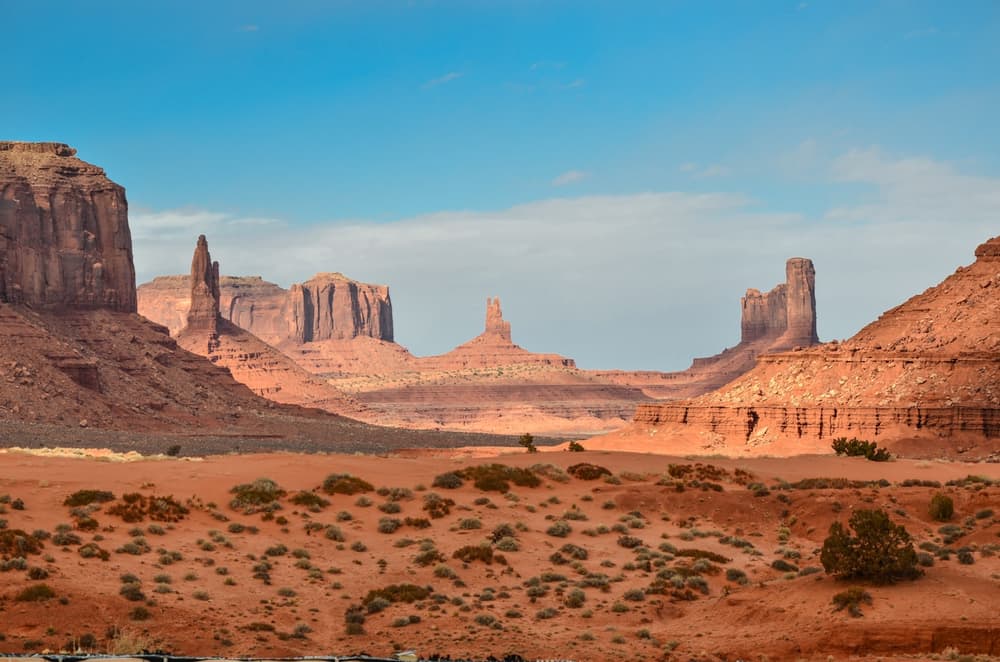 1 / 12
Born on the Caravan Routes
Where Arabic Dialects Were Born
Bedouin tribes criss-crossed Arabia carrying their language with them. Each oasis, each port developed its own accent and rhythm — the origin of the 8 dialects spoken across the Gulf today.